
 By
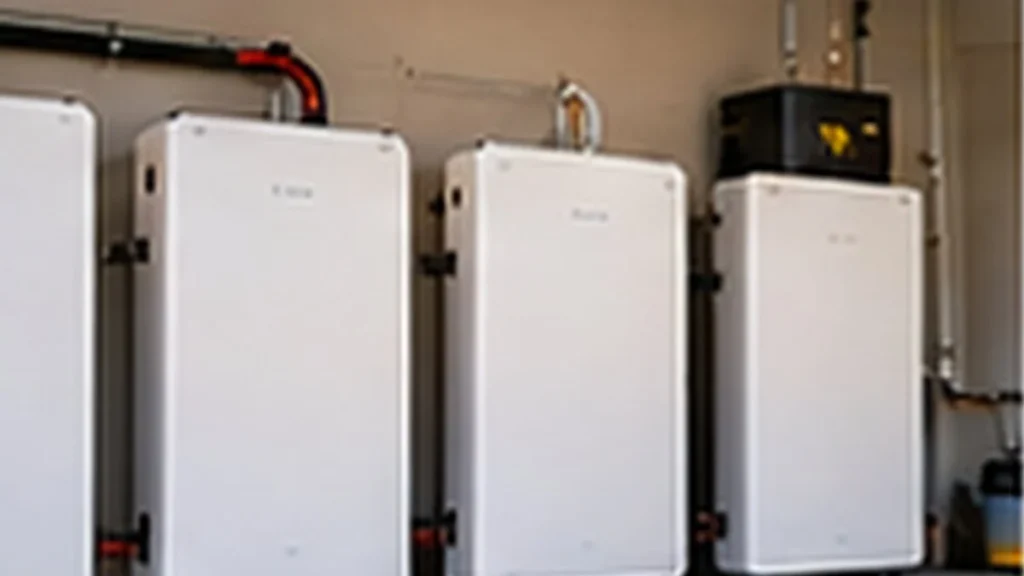
Most homes need a 10 to 15 kWh battery storage. This home battery backup size powers essential loads overnight. Essential loads include your fridge, lights, internet, outlets, and furnace fan. Adding a well pump, cooking, or small AC pushes this to 15 to 25 kWh. True whole-home backup typically needs 30 kWh or more. You also need an inverter big enough for your largest appliances.
Backup battery calculator
Estimates use the formulas explained in this guide. Plan a complete system with the all-in-one calculator →
Step 1: Decide what to back up
| Backup level | Typical loads | Daily energy |
|---|---|---|
| Bare essentials | Fridge, lights, Wi-Fi, phone charging, a TV | 3 – 5 kWh |
| Essentials+ | Above + furnace fan or gas boiler, well/sump pump, microwave | 6 – 10 kWh |
| Comfort | Above + one mini-split or window AC, washer | 12 – 20 kWh |
| Whole home | Everything including central AC, electric cooking | 25 – 50 kWh |
First, use the appliance wattage chart and load calculation worksheet. Or, you can see essential loads backup.
Step 2: Decide how long
Battery kWh = Daily backed-up kWh × Outage days ÷ 0.85 ÷ 0.90
(0.85 = usable depth of discharge; 0.90 = inverter efficiency.)

| Daily backed-up energy | 12 hours | 1 day | 2 days | 3 days |
|---|---|---|---|---|
| 4 kWh | 2.6 kWh | 5.2 kWh | 10.5 kWh | 15.7 kWh |
| 8 kWh | 5.2 kWh | 10.5 kWh | 20.9 kWh | 31.4 kWh |
| 15 kWh | 9.8 kWh | 19.6 kWh | 39.2 kWh | 58.8 kWh |
You can recharge with solar panels during the day. A battery that covers one night can keep essentials running. This works through a multi-day outage in reasonable weather.
Step 3: Check power (kW), not just energy (kWh)
The battery and inverter must supply your loads’ combined peak power. This includes motor start-up surges. Typical home batteries deliver about 5 to 11.5 kW continuous per unit. However, a central AC or well pump can require a high surge. So, check each battery’s continuous and peak ratings. See is one Powerwall enough.
Grid-tied solar + battery
If you already have solar, a battery lets solar keep running during outages (a plain grid-tie inverter shuts down). Panels then recharge the battery each day. See hybrid vs off-grid vs grid-tie inverters.
whole-home battery backup size vs partial backup
- Partial (critical-loads panel): You move essential circuits to a backup subpanel. This uses a smaller battery. It has a lower cost and a longer runtime.
- Whole-home: You back up the entire main panel. Often, this includes load management that sheds big loads automatically. This system needs more battery power.
Battery vs generator
| Battery | Generator | |
|---|---|---|
| Noise and fumes | None | Yes |
| Fuel | Sun / grid | Gas, propane, diesel |
| Long outages | Needs solar to recharge | Runs as long as fuel lasts |
| Daily savings | Possible (time-of-use, self-consumption) | None |
Many homes in outage-prone areas combine both options. Also, see generator size for off-grid systems.
Example
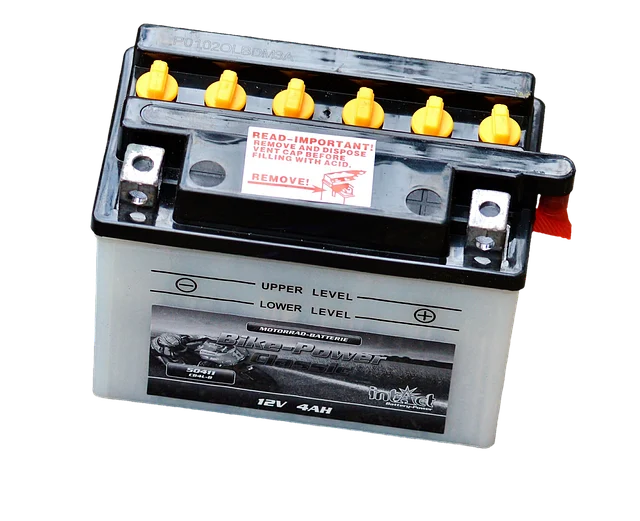
A family wants to keep several items running. These include a fridge (1.3 kWh/day), a freezer (0.7), lights (0.5), internet and TV (0.8), a furnace fan (1.5), and a well pump (0.7). This totals 5.5 kWh per day. For one night plus a day of cloud, you need 5.5 × 1.5 ÷ 0.85 ÷ 0.90 = 10.8 kWh. Therefore, a 13.5 kWh battery fits well. You also need a 5 kW+ inverter. This handles the well pump surge.
Use the solar calculator to size panels that can recharge it.
Worked example: sizing for a two-day storm outage with solar
A Florida family has a 7 kW solar array. They want to ride out a two-day hurricane outage. They plan to keep essentials running. This includes their fridge, freezer, lights, internet, and fans. They also need a microwave and phone charging. This uses about 6 kWh each day.

- Day 1: heavy storm, solar produces about 15% of normal: 7 kW × 5 × 0.80 × 0.15 = 4.2 kWh
- Day 2: clearing skies, about 60%: 16.8 kWh
- Battery needed to bridge Day 1 overnight and the storm day: (6 + 6 − 4.2) ÷ 0.90 = 8.7 kWh. Also, add a reserve of 20%, which is about 10.4 kWh usable.
A single 13.5 kWh battery fits well. However, without solar, two full days need about 13.3 kWh delivered. This requires around 15 kWh of battery capacity.
Matching battery power to your loads
| Load group | Running power | Start-up demand |
|---|---|---|
| Fridge + freezer | 250 W | about 1,500 W combined |
| Lights, internet, TV, fans | 400 W | – |
| Microwave (occasional) | 1,500 W | – |
| Well pump (1/2 HP) | 1,000 W | 2,500 – 3,000 W |
| Central AC (3 ton) | 3,000 – 3,500 W | 8,000 W+ without a soft starter |
A battery system rated 5 kW continuous handles everything except central AC. With AC, you need about 10 kW+ continuous capability. You also usually need a soft starter.
Installation options
- Critical-loads subpanel: An electrician moves chosen circuits to a backup panel. This option needs a smaller battery. It is also simpler.
- Whole-home backup with load control: smart breakers or a load controller automatically sheds large loads during outages.
- Portable backup: a large power station on extension cords for a fridge and essentials, with no electrical work.
Common mistakes
- Sizing for energy and forgetting power, then finding the well pump won’t start.
- Choosing the cheapest battery without checking compatibility with your existing inverter.
- Keeping the backup reserve at 0%, so the battery is empty when the outage hits. Set a reserve of 20 to 40% in storm season.
Home battery sizing quick table
| Daily backed-up energy | Overnight (12 h) | 1 day | 2 days |
|---|---|---|---|
| 5 kWh | 3.3 kWh | 6.5 kWh | 13 kWh |
| 10 kWh | 6.5 kWh | 13 kWh | 26 kWh |
| 20 kWh | 13 kWh | 26 kWh | 52 kWh |
Battery = daily kWh × days ÷ 0.85 ÷ 0.90, rounded.

FAQ
How long will a 10 kWh battery power a house?
At an essentials load of 500 W average, you get about 15 to 17 hours. However, at 1.5 kW average, you get about 5 to 6 hours.
Can a home battery run central air?
Sometimes, you can use it if the battery’s continuous and surge power are high enough. Ideally, you should use a soft starter. However, it will drain the battery quickly.
Do I need solar to have a home battery?
No, a battery can charge from the grid for backup or time-of-use savings. However, solar lets it recharge during long outages.
What size battery do I need for a 3-day power outage?
For 6 kWh of essentials each day, with no solar, you need about 20 kWh. (This is 6 × 3 ÷ 0.90). However, with solar, 10 to 15 kWh is often enough.
Can I add batteries later?
Usually, you choose a modular system. Therefore, check the maximum number of units your inverter supports.
Related guides
- What Size Battery Do I Need for a 1,000W Inverter?
- Solar Inverter vs UPS Battery Backup: Which Is Better for Power Outages?
- Battery Cable and Fuse Size Guide for Inverters and Solar
- How Many Batteries Do I Need for a 3,000W Inverter?
Sources and further reading
- U.S. Department of Energy: Homeowner’s Guide to Solar: official step-by-step overview.
- Battery University: BU-205 Types of Lithium-ion: how lithium chemistries, including LiFePO4, compare.
- Battery University: BU-409b Charging Lithium Iron Phosphate: LiFePO4 charging voltages and behaviour.