
 By
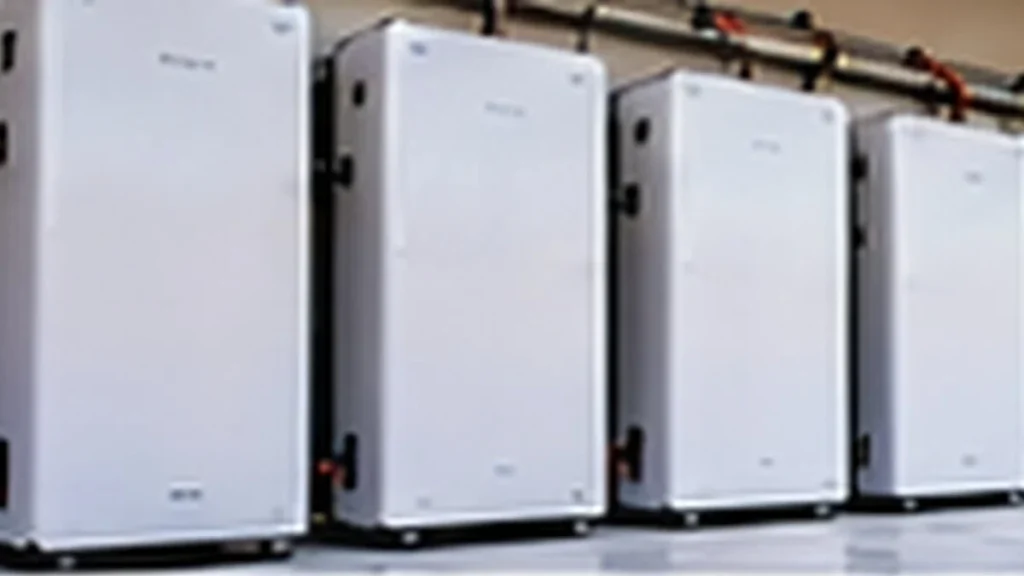
One Tesla Powerwall stores 13.5 kWh of usable energy. This is usually enough to run essential loads through an overnight outage. Essential loads include a fridge, lights, internet, outlets, and a gas furnace fan. With solar, it can keep essentials running for days. However, it is rarely enough to run a whole home. This includes homes with central air conditioning or electric heating. It will not run them through a full day without sun. The same math applies to any similar home battery.
Backup battery calculator
Estimates use the formulas explained in this guide. Plan a complete system with the all-in-one calculator →
Powerwall specs: is one powerwall enough for your home?
| Model | Usable energy | Continuous power |
|---|---|---|
| Powerwall 2 | 13.5 kWh | 5 kW |
| Powerwall 3 | 13.5 kWh | 11.5 kW (with integrated solar inverter) |
Specifications, expansion options, and pricing change. You should check Tesla’s current data sheets. Also, you can check your installer’s quote.
Energy: how long will 13.5 kWh last?
Hours = 13.5 kWh × 0.90 (inverter and losses) ÷ Average load (kW)
| Average load | Example | Runtime on one Powerwall |
|---|---|---|
| 0.3 kW | Fridge, lights, internet, TV | about 40 hours |
| 0.6 kW | Above + furnace fan or well pump use | about 20 hours |
| 1.2 kW | Typical whole home, no AC | about 10 hours |
| 3.0 kW | Whole home with central AC running | about 4 hours |
With solar panels recharging during the day, one battery can carry essentials through long outages in good weather.

Power: can it start your appliances?
Energy is how long you can run things. Power is what you can run at once. A Powerwall 2 has a 5 kW continuous rating. However, a central AC, well pump, and microwave can stretch this. The Powerwall 3 has an 11.5 kW rating. This handles more simultaneous loads. Motor start-up surge often limits power. For example, this includes air conditioners and well pumps. Soft starters can help with this. You should check inverter surge vs. continuous power.

How many batteries do you need?
Number of batteries = Backed-up daily kWh × Days ÷ 0.90 ÷ Usable kWh per battery
| Goal | Typical daily energy | Batteries (13.5 kWh each) |
|---|---|---|
| Essentials overnight | 5 – 8 kWh | 1 |
| Essentials for a full day with no sun | 8 – 12 kWh | 1 |
| Whole home without AC, one day | 15 – 25 kWh | 2 |
| Whole home with AC, one day | 30 – 50 kWh | 3 – 4 |
See home battery backup size and essential loads backup.
Batteries for bill savings
A battery stores midday solar. It uses this power during the expensive evening peak. This is useful under time-of-use or low export rates. One 13.5 kWh battery usually covers a typical home’s evening peak. This peak runs from about 4 pm to 9 pm. See off-grid vs grid-tied.

Use the solar calculator to estimate panels and storage together.
Worked example: will one battery cover my outage?
A home’s essential loads during an outage:
| Load | Daily energy |
|---|---|
| Fridge | 1.3 kWh |
| Chest freezer | 0.6 kWh |
| Gas furnace blower (winter) | 2.0 kWh |
| Lights, internet, TV, phones | 1.5 kWh |
| Sump pump (storm) | 0.5 kWh |
| Total | 5.9 kWh |
One 13.5 kWh battery covers this for about 2 days with no solar. This is about 12 kWh delivered after losses. You can run essentials indefinitely with an 8 kW solar array. This is true even if it produces 10 to 15 kWh on a cloudy-to-sunny day.
Now add a 3-ton central AC running 8 hours (about 25 kWh): one battery would last only a few hours. That is the moment to consider a second battery, a soft starter, or keeping AC off backup.
Checking power as well as energy
Add up what could start at once. For example, a furnace blower uses about 600 W. A sump pump uses 800 W running and 2,000 W+ to start. A fridge uses 150 W and 900 W to start. Lights use 200 W. Peak demand can briefly approach 3 to 4 kW. This is within the continuous and peak ratings of most modern home batteries. However, you should check the data sheet for the model you are considering.

Questions to ask an installer about any home battery
- Usable kWh (not total): how much energy can I actually use?
- Continuous and peak kW: can it start my well pump or AC?
- Backup type: whole-home or critical loads? How fast is switchover?
- Solar charging during outages: will my panels keep charging it when the grid is down?
- Expansion: how many units can I add later, and can new units mix with old?
- Warranty: years, energy throughput limit, and end-of-warranty capacity guarantee.
- Operating modes: self-consumption, time-of-use, backup reserve settings.
- Monitoring: app features and data access.
Worked example: time-of-use savings with one battery
The peak evening rate is $0.45 per kWh. Also, the midday export credit is $0.08 per kWh. The household uses 12 kWh between 4 pm and 9 pm.
- Without a battery: 12 kWh × $0.45 = $5.40 per evening, while midday solar surplus earns about $0.96 when exported.
- You have one 13.5 kWh battery. This delivers about 12 kWh. A midday surplus charges the battery. It also covers the evening peak. This saves you about $5.40 − $0.96. So, you save $4.44 per day. This is roughly $1,600 per year. These figures are before battery losses and seasonal variation.
Real savings depend on your tariff, solar production, and usage. Therefore, your installer should model them.
Common mistakes
- Backup is automatic on every system. However, some systems need a gateway or transfer switch.
- Setting reserve to 0% and having an empty battery when a storm arrives.
- Expecting full-home AC backup from one battery.
When two batteries make sense
- Whole-home backup with central AC or electric heating.
- Long, frequent outages with little sun (winter storms).
- Large evening loads under time-of-use rates.
- Homes with EV charging that want to shift solar into the evening.
FAQ
Can a Powerwall run central air conditioning?
Often yes, especially Powerwall 3 or multiple units, sometimes needing a soft starter. It drains the battery quickly.
Can one Powerwall take a home off-grid?
Rarely by itself. Off-grid homes typically need more storage. They also need a generator. See off-grid vs. grid-tied.
Are there alternatives to Powerwall?
Yes, many brands make home batteries. They range from 5 to 15 kWh. They also make modular 48 V systems. Compare usable kWh, continuous and peak power, warranty, and compatibility with your inverter.
How long does a Powerwall take to recharge from solar?
With 5 kW of spare solar production, it takes about 3 hours to charge from empty. However, in winter or with heavy household use, it may take most of the day.
Does a Powerwall work without solar?
Yes. It can charge from the grid for backup and time-of-use savings, although solar makes it more valuable.
Related guides
- Solar Inverter vs UPS Battery Backup: Which Is Better for Power Outages?
- Hybrid vs Off-Grid vs Grid-Tie Inverters: Which Do You Need?
- How to Wire Batteries in Series and Parallel (12V, 24V, 48V)
- Can You Mix Old and New Batteries in a Solar Bank?
Sources and further reading
- Tesla: Powerwall 3 Datasheet (PDF): 13.5 kWh energy, up to 11.5 kW output.
- U.S. EIA: How Much Electricity Does an American Home Use?: average household use, about 10,800 kWh a year.
- U.S. Department of Energy: Homeowner’s Guide to Solar: official step-by-step overview.