
 By
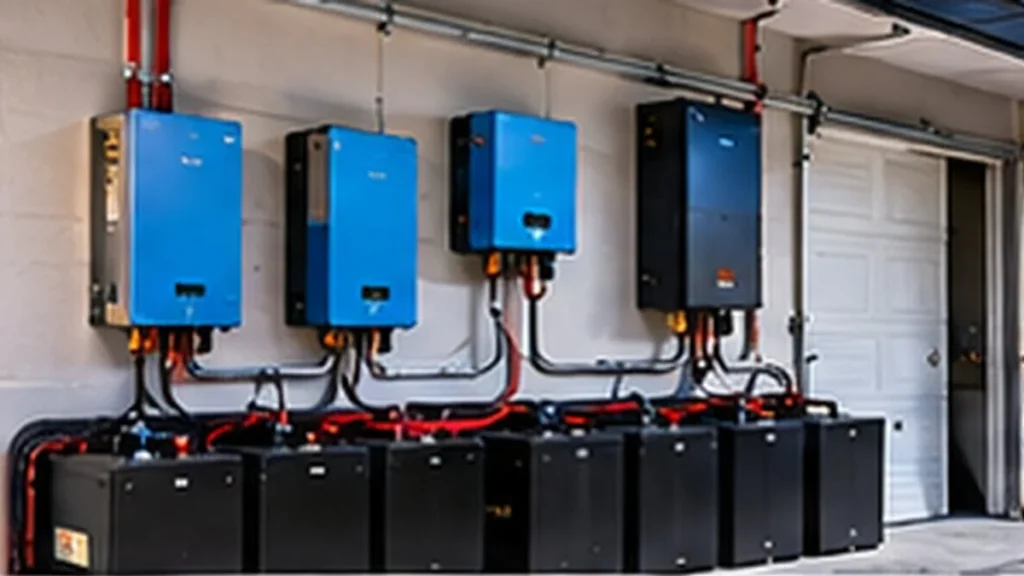
Your power needs and inverter size dictate the right voltage. This choice involves 12v vs 24v vs 48v solar system. A 12V system powers loads up to 1,500W. Use 24V for 1,500W to 3,000W. We recommend 48V for systems over 3,000W. It provides better efficiency. You also get lower component costs.
12 V vs 24 V vs 48 V current calculator
Estimates use the formulas explained in this guide. Plan a complete system with the all-in-one calculator →
Why does voltage matter in a solar system?
Voltage matters because it directly relates to current. This relationship applies to a given power output. The formula is Current (A) = Power (W) ÷ Voltage (V). This formula dictates critical aspects of your system’s design and cost.

Higher system voltage means lower current for the same amount of power. This reduction in current has several significant advantages:
- Reduced Cable Losses: Heat and voltage loss in a cable rise with the square of current. Doubling system voltage halves current and cuts cable losses to a quarter for the same cable. This means more of your generated power reaches your appliances, not wasted as heat.
- Thinner Cables: Lower current allows for thinner copper cables. This significantly reduces material costs. Also, it makes installation easier. It lessens the physical bulk of wiring.
- Smaller and Cheaper Components: Fuses, circuit breakers, and charge controllers are rated by current. So, lower current requirements let you use smaller components. As a result, they are less expensive.
- Increased System Capacity: Higher voltage systems handle more power efficiently. As a result, they suit larger installations. You will avoid prohibitive cable sizes or component costs.
Current (A) = Power (W) ÷ Voltage (V)
| Inverter load | 12 V | 24 V | 48 V |
|---|---|---|---|
| 1,000 W | 93 A | 46 A | 23 A |
| 2,000 W | 185 A | 93 A | 46 A |
| 3,000 W | 278 A | 139 A | 69 A |
| 5,000 W | 463 A | 231 A | 116 A |
The table above clearly illustrates current drop. It drops dramatically as voltage increases for the same inverter load. For example, a 5,000W inverter load demands a massive 463A at 12V. However, it only needs 116A at 48V.
How does voltage affect cable size?
The current flowing through your system directly determines the required cable gauge. You need thicker cables for higher currents. This safely carries the current. It prevents overheating or excessive voltage drop. This is a crucial factor. It impacts both cost and practicality.
| System | Current (for 3,000W inverter) | Typical cable |
|---|---|---|
| 12 V | 278 A | 4/0 AWG (about 107 mm²) |
| 24 V | 139 A | 1/0 – 2/0 AWG (about 50–70 mm²) |
| 48 V | 69 A | 4 AWG (about 21–25 mm²) |
As shown, a 12V system at 3,000W needs very heavy 4/0 AWG cable. This cable is expensive. Also, it is stiff and hard to bend. You will find it challenging to terminate properly at terminals and busbars. However, at 48V, the same power needs a much more manageable 4 AWG cable. This cable is much cheaper. It is also easier to work with. See battery cable and fuse size for more detail.
What are the trade-offs in cable sizing?
Larger cables offer lower resistance. They also reduce voltage drop. However, they cost more. They are heavier. Also, installation is more difficult. For example, routing thick 4/0 AWG cables is a challenge. You might do this through tight spaces in an RV or cabin. You must trade off minimizing power loss. Also, you must manage installation practicalities and your budget.
What size charge controller do you need for each voltage?
Charge controllers regulate power. They send power from your solar panels to your batteries. Like cables, their size depends on the current they handle. For example, the same array needs half the controller current. This occurs at double the voltage.

Controller amps = Array watts ÷ Battery voltage × 1.25
For example, a 2,000 W solar array would require:
- 12V system: 2,000 W ÷ 12 V × 1.25 = 208 A controller
- 24V system: 2,000 W ÷ 24 V × 1.25 = 104 A controller
- 48V system: 2,000 W ÷ 48 V × 1.25 = 52 A controller
Finding a single 208A charge controller for a 12V system can be challenging. It is also expensive. You often need to wire multiple units in parallel. In contrast, 48V systems typically use readily available controllers. These are more compact and cost-effective for similar power outputs. See charge controller sizing.
What are the implications for your solar array?
Your solar panel voltage (Voc, Vmp) also interacts with your system voltage. MPPT (Maximum Power Point Tracking) charge controllers are very efficient. They convert higher panel voltage to lower battery voltage. So, you can often wire solar panels in series. This achieves a higher voltage array. For example, use two 12V nominal panels in series for a 24V system. Or, use four for a 48V system. This higher array voltage further reduces current. It flows between the panels and the charge controller. As a result, you can use thinner wiring on the PV side. However, for PWM (Pulse Width Modulation) controllers, the array voltage must closely match the battery bank voltage.
When is a 12V solar system the right choice?
12V systems are generally the simplest. Also, they are most cost-effective for smaller, low-power applications. They suit:
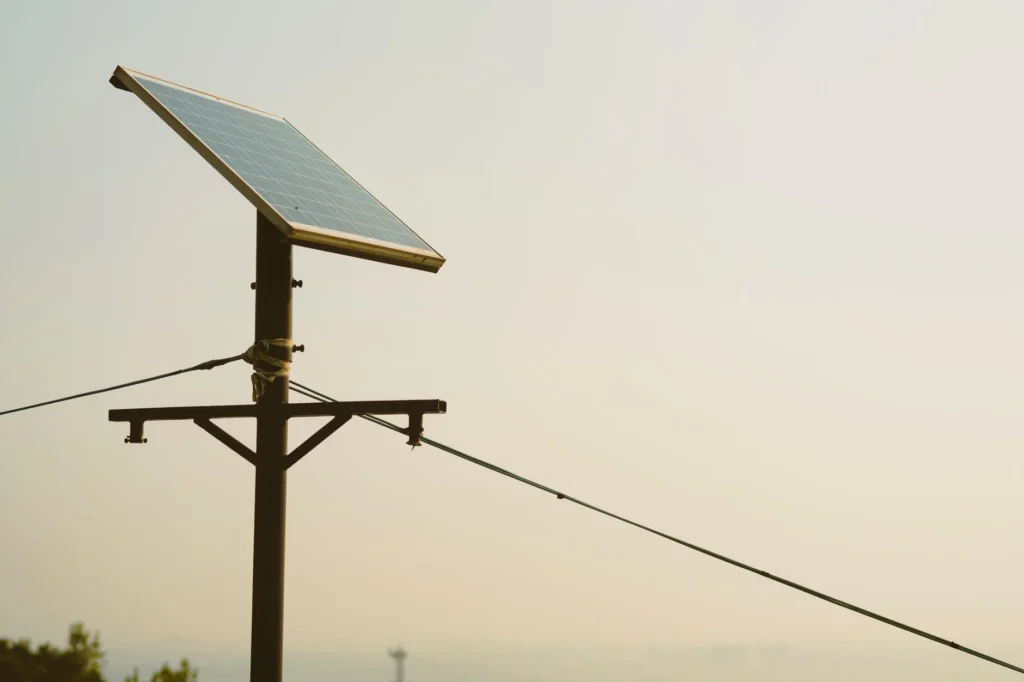
- Vans, small RVs, boats, and trailers where most existing appliances (fridges, lights, pumps, fans, USB chargers) are already 12V DC.
- Systems with modest inverter loads, typically under about 1,500 W.
- You can build simple, DIY setups from standard 12V batteries. These batteries are widely available. Initially, they are often less expensive per Ah than higher voltage options.
- Applications where cable runs are very short, minimizing voltage drop and cable costs even with higher currents.
However, 12V systems quickly become impractical. They are also expensive for larger power requirements. This is because they need very thick cables. They also require high-current components.
When 12V is not suitable
A 12V system is generally not suitable if your total inverter load regularly exceeds 1,500W. It is also a poor choice if you plan to power high-draw AC appliances. These include microwaves, air conditioners, or well pumps. Also, it is not ideal for installations with long cable runs. These are over 10-15 feet. They run between the battery bank and inverter. Because of this, voltage drop will become excessive. This requires impractically thick and costly cables.
When is a 24V solar system the right choice?
24V systems offer a good balance. These suit medium-sized applications. They provide better efficiency than 12V. Such systems also offer more component options. They do not have the complexity of 48V. As a result, they are ideal for:
- Larger RVs, buses, and expedition vehicles with 2,000 to 3,000 W inverters.
- Cabins, sheds, and workshops requiring more significant power for tools, lighting, and small appliances.
- You might want to use thinner cables. Also, you might want more efficient charge controllers. A 12V setup would not offer this. However, you still have some 12V devices. You can power these devices. Use a 24V-to-12V DC-DC converter.
- You might anticipate future expansion beyond 1,500W. However, do not exceed 3,000W.
When 24V is not suitable
A 24V system offers a good middle ground. However, it can become challenging for very large loads over 3,000W. Also, powering entire homes might be difficult. The current requirements are half those of 12V. Still, you may need relatively thick cables. These systems also require higher-rated components than a 48V system. In addition, if you prefer modern server-rack style LiFePO4 batteries, they are often natively 48V. This makes 24V less straightforward.
When is a 48V solar system the right choice?
48V systems are the standard for larger, more permanent installations, offering the highest efficiency and capacity. They are best suited for:
- Homes, larger cabins, and anything with inverter loads above 3,000 W, including appliances like mini-splits, well pumps, and electric water heaters.
- Modern all-in-one hybrid inverters predominantly use 48V battery banks. Therefore, systems often utilize these inverters.
- Server-rack LiFePO4 batteries are typically 48V units. Their nominal voltage is 51.2V. Therefore, they simplify battery wiring and management.
- Installations with long cable runs between batteries and the inverter or charge controller, where minimizing voltage drop is critical.
At 48V, the DC side approaches higher voltage levels. These levels deserve extra safety respect. Always use proper enclosures. Also, use fuses, circuit breakers, and disconnects. Adhere to electrical codes like NFPA 70 (National Electrical Code) in the US.
When 48V is not suitable
A 48V system is generally overkill for very small applications. It is also more expensive. For example, these applications include a basic lighting setup in a shed. They also include a small camper van with minimal power needs. The cost of a 48V inverter and charge controller can be higher. This is true compared to their 12V counterparts for low power levels. Also, finding small 48V DC appliances is less common. You will often need a DC-DC converter for every 12V device.
How do you run 12V devices on a 24V or 48V system?
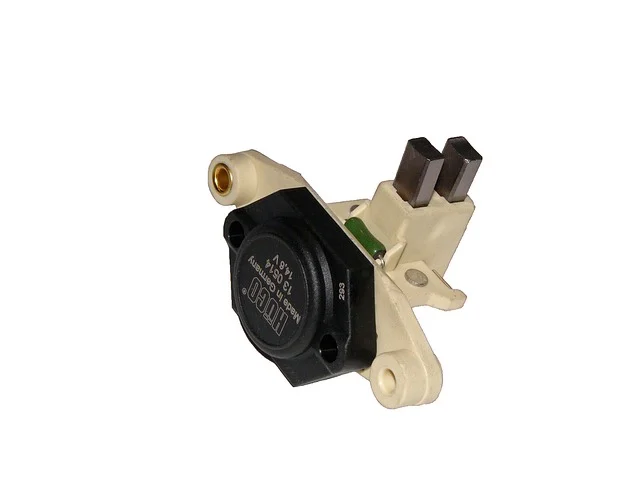
You must use a DC-DC step-down converter. This powers 12V DC appliances. For example, lights, pumps, and refrigerators can use it. A 48V to 12V, 20-40A converter will safely reduce the voltage. This powers your 12V loads. However, do not tap 12V directly from a battery string. If you do, it will unbalance the batteries. This leads to premature failure. Also, it reduces the lifespan for the entire bank.
Can you change your system voltage later?
Switching your system voltage later is possible. However, it usually involves significant component replacement. Rewiring is also necessary. You would likely replace the inverter. The charge controller might also need replacing. Furthermore, you would reconfigure or replace your battery bank. Consider your future power needs. If these grow beyond 3,000 W, start with a 24V or 48V system. This is more cost-effective. It is also simpler from the outset.
Our solar calculator lets you switch between 12, 24 and 48 V to see how battery amp-hours and MPPT size change.
Worked example: The same 2,400W system at three voltages
Consider a cabin example. It needs a 2,400 W inverter. The cabin also requires 1,200 W of solar panel input. It uses about 5 kWh of LiFePO4 battery storage. The cable run is 2 meters between the battery bank and the inverter.
| 12 V | 24 V | 48 V | |
|---|---|---|---|
| Inverter battery current at full load | 222 A | 111 A | 56 A |
| Typical inverter cable | 4/0 AWG | 1/0 AWG | 4 AWG |
| Main fuse | 300 A Class T | 150 A | 80 A |
| MPPT controller (1,200 W × 1.25 ÷ V) | 125 A | 63 A | 31 A |
| Battery bank (5 kWh) | 12 V 400 Ah (four 100 Ah in parallel) | 24 V 200 Ah | 48 V 100 Ah (one rack battery) |
| Cable loss at full load (same 4/0 cable) | 4x the 24 V loss | reference | ¼ of the 24 V loss |
This example shows a 12V system. It could technically work for this cabin. However, it would need incredibly thick, costly cables. It would also require a very large charge controller. You might even need multiple controllers. Furthermore, it would need four parallel 12V 100Ah batteries. This would achieve 5 kWh. In contrast, a 48V system could use a single 48V rack battery. It would also use much more modest, affordable cables. For this size system, 24V or 48V is the more sensible choice. It is also more efficient.
Choosing your system voltage step by step
Follow these steps to determine the most suitable voltage for your solar system:
- Find your largest simultaneous load (inverter size): Calculate the maximum power your inverter needs to supply at any given moment. This is the most critical factor. See what size inverter do I need.
- Check your existing and planned appliances: If most of your essential loads are 12V DC, a 12V or 24V system might be appropriate. For example, this includes an RV fridge, water pumps, fans, and lights. However, if you are starting from scratch, or primarily using AC appliances, a higher voltage is often better.
- Check equipment availability and compatibility: You will find that many modern, high-power solar components are designed for 48V systems. For example, this includes all-in-one inverters. It also includes high-capacity LiFePO4 rack batteries. This can simplify your component selection and wiring.
- Plan for future growth: Think about adding more power-hungry appliances later. For instance, you might add a mini-split air conditioner. You could also install a well pump or expand your solar array. Therefore, choosing 48V now will prevent costly future upgrades.
- Keep it consistent: Make sure your batteries, inverter, and charge controller are compatible. Also, your primary DC loads must match your chosen system voltage. Use DC-DC converters for any loads that do not match the main system voltage.
- Consider cable run lengths: Higher voltages significantly reduce voltage drop. This applies to longer distances between your batteries and inverter. It also applies to longer runs between your solar array and charge controller. Therefore, 24V or 48V systems allow for smaller, more affordable cabling.
- Assess your budget and DIY skills: Initially, 12V systems may seem cheaper. However, larger 12V systems need very thick cables. They also require high-current components. As a result, their cost can quickly exceed a 24V or 48V setup. Higher voltage systems demand more cautious handling. This is due to increased power density. Nevertheless, their component efficiency can simplify installation.
Mixed systems in vehicles and off-grid setups
Larger RVs, expedition trucks, and some off-grid cabins often use a mixed voltage approach. They might run a 24V or 48V house battery bank. This powers a high-wattage inverter for AC appliances. Simultaneously, they use a DC-DC converter. This steps down the voltage for various 12V lights, fans, and pumps. In vehicles, the 12V starting system typically remains separate. The alternator charges it. A suitable DC-DC charger links the two systems. This optimizes house battery charging while driving. See charging RV batteries while driving.

Common mistakes to avoid when choosing system voltage
- Starting at 12V for a system that will clearly exceed 2,000W: This often creates immediate limitations. Also, you will face high cabling costs. You will need expensive, high-current components. Therefore, future expansion becomes difficult.
- Tapping 12V from the middle of a 24V or 48V battery string: This is a critical error. It unbalances the battery bank. As a result, individual batteries discharge unevenly. This significantly shortens your entire battery bank’s lifespan.
- Buying a 48V inverter with only 12V batteries without enough identical batteries to build a 48V string: A 48V inverter requires a 48V battery bank. You cannot simply use one 12V battery. Instead, you need four identical 12V batteries. Wire them in series. Alternatively, use a single 48V battery.
- Using 12V-rated components (fuses, breakers, switches) on 24V or 48V systems: DC voltage ratings are specific. Always ensure all your components, especially safety devices, are rated for the maximum voltage and current of your system. Using lower-rated components can be a serious fire hazard.
- Underestimating future power needs: Many off-grid cabin installations start small. They begin with 12V systems. A year later, they need more power. For example, they might want to power a mini-split AC. Or they need a larger water pump. Upgrading from 12V to 48V then becomes a complete overhaul. This often requires new inverters and charge controllers. You also need new battery banks. Effectively, this doubles the initial investment. Therefore, plan for growth with a 24V or 48V system. Even if it seems oversized initially, this saves significant hassle and cost later on.
Frequently asked questions
Is 48V more efficient than 12V for solar?
Yes, 48V systems are generally more efficient than 12V systems, primarily due to significantly lower cable losses. Higher voltage means lower current, which drastically reduces power lost as heat in the wiring. Inverters and charge controllers designed for 48V are also often slightly more efficient at higher power levels.
Can I use 12V batteries in a 48V system?
Yes, you can use 12V batteries in a 48V system by wiring four identical 12V batteries in series. It is crucial to use batteries of the same brand, model, and age to ensure balanced charging and discharging. For lithium batteries, always confirm with the manufacturer that they allow four units in series. See how to wire batteries in series and parallel.
Is 48V dangerous?
While 48V DC is low voltage, a battery bank at this voltage can deliver thousands of amps. This creates a significant fire and arc flash risk in a short circuit. Therefore, proper fusing, circuit breakers, and disconnect switches are essential. You also need insulated tools. Always follow safety guidelines at every voltage level. This is especially true for 48V systems.
Is 24V better than 12V for solar?
For solar systems with inverter loads above 1,500 W, 24V is generally better than 12V. It offers half the current for the same power. This allows for smaller cables and charge controllers. As a result, it reduces costs and improves efficiency. However, below 1,500 W, 12V can be simpler and more cost-effective. This is especially true in vehicles. Many appliances there are already 12V.
Can I convert my 12V solar system to 24V?
Yes, you can convert a 12V system to 24V. However, it requires several component changes. First, rewire your batteries in series. This creates a 24V bank. Next, replace your 12V inverter with a 24V model. Ensure your charge controller supports 24V. Some controllers are auto-sensing. Also, you will need to add a 24V-to-12V DC-DC converter. This is for any remaining 12V loads.
What about the cost difference between 12V, 24V, and 48V systems?
For very small systems, under 1000W, 12V components are often most affordable. However, as power needs increase, other systems become more cost-effective. You will save money with thinner cables and smaller fuses. Higher-capacity inverters and charge controllers are also more available for 24V and 48V systems. The initial component cost for 48V might be slightly higher. But the long-term efficiency and scalability savings are significant.
Do solar panels come in different voltages for these systems?
Most standard solar panels produce voltages. These voltages suit 12V, 24V, or 48V battery banks. This is especially true with MPPT charge controllers. You can wire panels in series. This increases the overall array voltage. It matches your battery bank’s needs. Also, it optimizes MPPT efficiency. For example, a “12V nominal” panel might have an 18V Vmp. A “24V nominal” panel might be around 30-36V. Modern high-wattage panels often have higher voltages. For instance, their Vmp can be 40-50V. Therefore, they work best for 48V systems or higher voltage MPPT inputs.
Related guides
- Battery Voltage Chart for 12V, 24V and 48V (LiFePO4 and Lead-Acid)
- Amp Hours to kWh Conversion (Ah to Wh Calculator and Chart)
- Inverter Low Voltage Cutoff Settings (12V, 24V, 48V)
- Can You Mix Old and New Batteries in a Solar Bank?
Sources and further reading
- NFPA: Understanding NFPA 70, the National Electrical Code: the US wiring code that covers solar and batteries.
- Battery University: BU-205 Types of Lithium-ion: how lithium chemistries, including LiFePO4, compare.
- U.S. Department of Energy: Solar PV System Design Basics: how panels, inverters, controllers and batteries fit together.