
 By
A quality LiFePO4 (lithium iron phosphate) solar battery typically lasts 10 to 15 years. Many ask, how long do solar batteries last? This means 3,000 to 6,000 cycles at 80% depth of discharge. Capacity falls to 70-80% of original. In contrast, AGM batteries last about 3 to 6 years. That is 500 to 1,000 cycles at 50% DoD. Well-maintained flooded lead-acid batteries last about 5 to 8 years.
Battery lifespan estimator
Estimates use the formulas explained in this guide. Plan a complete system with the all-in-one calculator →
Lifespan by chemistry
| Battery type | Typical cycle life | Typical service life in daily solar use |
|---|---|---|
| LiFePO4 | 3,000 – 6,000 cycles (80% DoD) | 10 – 15 years |
| NMC lithium (some home batteries) | 1,500 – 3,000 cycles | 8 – 12 years |
| AGM | 500 – 1,000 cycles (50% DoD) | 3 – 6 years |
| Gel | 600 – 1,200 cycles (50% DoD) | 4 – 7 years |
| Flooded lead-acid (deep cycle) | 800 – 1,500 cycles (50% DoD) | 5 – 8 years with maintenance |
“End of life” means capacity has dropped. It is usually about 70 to 80% of new. The battery still works. However, it provides less runtime.
Cycles vs calendar aging
A battery ages two ways:
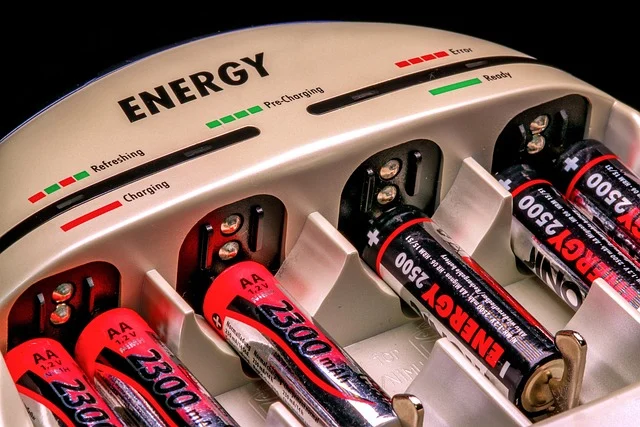
- Cycle aging: each charge and discharge causes a little wear. Deeper cycles cause more wear.
- Calendar aging: Batteries also age with time. They age faster when you keep them hot. Also, keeping them at 100% charge for long periods speeds aging.
One full cycle per day for 10 years equals about 3,650 cycles. So, a LiFePO4 battery rated for 6,000 cycles will likely reach its end of life due to calendar aging. This is more probable than reaching it by cycling.
Typical warranties
Many home lithium batteries carry a 10-year warranty. This guarantees around 60 to 80% capacity. Sometimes, it also includes an energy throughput limit. This limit specifies the total MWh delivered. Always read the terms. They show what the maker expects.
What shortens battery life
| Factor | Effect |
|---|---|
| Heat | The biggest killer. Every 10 °C above about 25 °C can roughly halve lead-acid life and significantly speeds up lithium aging. |
| Deep discharges | Severe for lead-acid; moderate for lithium. See depth of discharge. |
| Chronic undercharging | Lead-acid sulfation; a common cause of early AGM failure in solar systems. |
| High charge/discharge currents | Extra heat and stress. See battery C-rating. |
| Charging lithium below 0 °C | Can cause permanent damage. See charging LiFePO4 in cold weather. |
| Mismatched batteries | Weak batteries get over-cycled. See mixing old and new batteries. |
How to make solar batteries last longer, and how long do solar batteries last?
- Keep them cool: ideally 15 to 25 °C, out of direct sun and hot attics.
- Use the correct charge voltages for your chemistry.
- For lead-acid batteries, recharge them fully every day or two. Additionally, equalize flooded batteries as directed. See lead-acid battery maintenance for details.
- For lithium in storage, keep around 50 to 60% charge and disconnect loads.
- Size the battery bank carefully. For instance, a typical day should use well under its full capacity. The calculator uses 85% DoD for lithium. However, it uses 50% for lead-acid.
Cost per cycle
LiFePO4 batteries last 4 to 10 times more cycles than AGM. Therefore, their lifetime cost per kWh stored is usually much lower. This is true even though their upfront cost is higher. See LiFePO4 vs AGM for more information.
Worked example: calendar life vs cycle life
A cabin’s 48 V 100 Ah LiFePO4 bank is cycled about 60% each night, rated for 6,000 cycles at 80% DoD.

- Cycles per year: about 365
- Cycles in 10 years: 3,650, well under the rating
- At about 60% average DoD, wear per cycle is lower still
- Likely end of life: calendar aging and heat, around 12 to 15 years in a cool, well-managed location
However, imagine the same battery in a 40 °C shed. This could happen during a desert summer. Calendar aging can roughly double. So, keeping it at 25 °C may add years of service.
Battery health checklist (every 6 to 12 months)
- Capacity check: First, run a known load from full. Record the delivered Ah or kWh. Alternatively, read the BMS “full charge capacity.”
- Cell balance: spread under about 30 to 50 mV near full charge for LiFePO4.
- Temperature: check the battery area on the hottest days.
- Connections: retorque terminals and look for discolouration.
- Firmware: update the BMS or inverter firmware if the manufacturer recommends it.
- Lead-acid only: check water levels and specific gravity. Also, equalise if specified.
When to replace
- Runtime no longer covers your nights even after full charges.
- Capacity test below 70 to 80% of rating.
- Lead-acid: swelling, leaking, a cell reading low on specific gravity, or rapid voltage collapse under load.
- Lithium: persistent cell imbalance, BMS faults, or physical damage.
Common mistakes
- Storing batteries fully charged in heat for months.
- Leaving lead-acid partially charged through winter.
- Buying unknown-brand lithium without a clear cycle rating or warranty.
Lifespan by use case
| Use | Typical cycling | Expected LiFePO4 life | Expected AGM life |
|---|---|---|---|
| Daily off-grid cycling | 1 cycle/day | 10 – 15 years | 2 – 4 years |
| RV, part-time | 100 – 150 cycles/year | 12 – 15+ years | 4 – 6 years |
| Grid-tied backup only | Few cycles/year | 12 – 15+ years (calendar aging) | 5 – 8 years on float |
| Daily time-of-use shifting | 1 cycle/day | 10 – 15 years | Not recommended |
Warranty fine print to check
- Years of coverage.
- End-of-warranty capacity guarantee (for example 70%).
- Energy throughput limit (total MWh): This can end the warranty early. Therefore, heavy users should be aware of this limit.
- Installation and temperature conditions required.
- Registration requirements.
— faq —

Do solar batteries lose capacity in storage?
Yes, batteries slowly lose charge. Self-discharge is recoverable; you can fix it by charging. However, calendar aging is permanent. Therefore, store batteries at about 50% in a cool, dry place.
Which lasts longer, AGM or gel?
Gel usually lasts somewhat longer in deep-cycle use if charged correctly, but both fall far short of LiFePO4.
FAQ
How do I know my battery is wearing out?
You might experience a shorter runtime. Also, voltage could drop faster under load. Or, a battery monitor might show it reaches “full” after fewer amp-hours than before.
Do solar batteries last longer than car batteries?
Yes, deep-cycle and lithium batteries are designed for repeated discharge. However, starter batteries are not.
Is it worth replacing AGM with lithium when it dies?
Usually yes, if your charger and controller support lithium.
How many years does a lithium solar battery last?
Typically, solar batteries last 10 to 15 years. This is with daily use. However, it depends heavily on temperature. It also depends on how hard you cycle it.
Do solar batteries last longer if I don’t use them?
No, not by much. Calendar aging continues even if you do not use the battery. Storing it at about 50% charge in a cool place slows this process.
Related guides
- How Long Will a 100Ah Battery Last? (Runtime Calculator + Table)
- How Many Batteries Do I Need for a 3,000W Inverter?
- How Many Batteries Do I Need for Solar? (Sizing Formula + Examples)
- How Many Batteries Do I Need for a 5,000-Watt Inverter?
Sources and further reading
- Battery University: BU-415 How and When to Charge: charging habits for lead-acid and lithium batteries.
- Battery University: BU-205 Types of Lithium-ion: how lithium chemistries, including LiFePO4, compare.
- Battery University: BU-409b Charging Lithium Iron Phosphate: LiFePO4 charging voltages and behaviour.