
 By
Germany leads in rooftop solar. This is true despite modest sunshine. A typical 8 kWp home system produces 7,000-8,500 kWh annually. Feed-in tariffs are now low. They are about 7.7 cents per kWh for small systems from August 2026. Electricity is expensive in solar panels germany. So, using your own solar is key to a good payback.
This guide helps expats, landlords, and others compare countries. It covers output, current rules, balcony solar, and payback.
What will my solar system run?
Estimates use the formulas explained in this guide. Plan a complete system with the all-in-one calculator →
How much solar produces in Germany
kWh per year = System kWp × Peak sun hours × 0.80 × 365
Approximate yearly averages for a south-facing roof:
| City | Peak sun hours | kWh per kWp per year | 8 kWp system per year |
|---|---|---|---|
| Freiburg | 3.5 | 1,022 | 8,176 |
| Munich | 3.4 | 993 | 7,942 |
| Stuttgart | 3.3 | 964 | 7,709 |
| Frankfurt | 3.1 | 905 | 7,242 |
| Berlin | 3.0 | 876 | 7,008 |
| Cologne | 3.0 | 876 | 7,008 |
| Hamburg | 2.8 | 818 | 6,541 |
These are conservative planning figures. Good systems in southern Germany often reach 1,000 to 1,100 kWh per kWp. Output in December is only about a tenth of June’s.
The EEG feed-in tariff in 2026
The feed-in tariff is fixed when your system is commissioned and paid for 20 years (plus the commissioning year). For systems up to 10 kWp commissioned from August 2026:
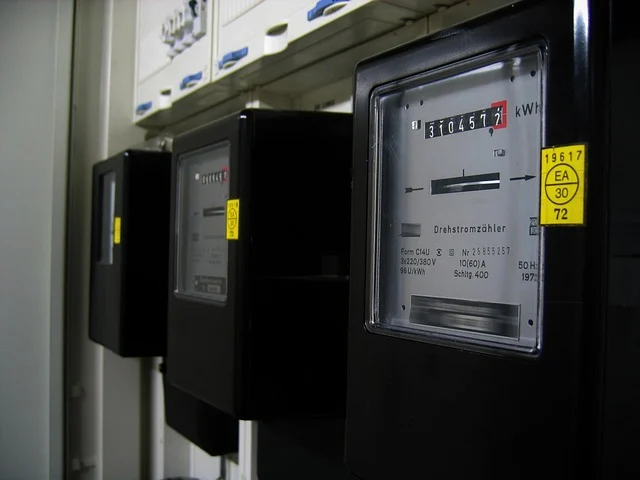
- Partial feed-in means you use solar at home. You then export the surplus. This pays about 7.7 cents per kWh.
- Full feed-in (you export everything): about 12.2 cents per kWh
A reform of the system has been proposed for 2027. Therefore, check the current rate. Consult the Bundesnetzagentur or your installer before signing.
Rules for new systems since February 2025
The 2025 “solar peak” law (Solarspitzengesetz) changed the rules for new systems:
- No feed-in payment while wholesale prices are negative, which mostly happens on sunny weekend middays.
- Systems without a smart meter may only feed in up to 60% of their rated power.
Both rules make batteries, smart controls and self-consumption more valuable.
Tax and VAT
Since 2023, you can buy and install solar systems at zero VAT. This applies to systems up to 30 kWp on and around homes. Also, you generally do not pay income tax on earnings from feeding in electricity from small systems.
Balcony solar (Balkonkraftwerk)
Plug-in balcony systems are hugely popular in Germany. Since the 2024 reforms:
- the inverter may supply up to 800 W to your home,
- panels of up to 2,000 Wp may be connected,
- registration is simplified to an online entry in the Marktstammdatenregister, and
- tenants and apartment owners have a legal right to request permission for one.
An 800 W balcony system in Berlin makes roughly 700 kWh a year. You save well over €200 annually if you use most of it during the day. This is at around 38 cents per kWh. As a result, a system costing a few hundred euros can pay for itself in two to three years.
Worked example: 8 kWp in Munich
With assumed prices (enter your own in the calculator):
- Output: 8 × 3.4 × 0.8 × 365 = 7,942 kWh a year
- Used at home (about 30%, without a battery): 2,383 kWh × €0.38 = €905
- Exported: 5,559 kWh × €0.077 = €428
- Yearly benefit: €1,333
- Cost: about €1,500 per kWp = €12,000
- Payback: 12,000 ÷ 1,333 = about 9 years
Sizing a battery in Germany
A common German rule of thumb exists. It suggests about 1 kWh of usable battery capacity for every 1,000 kWh of yearly electricity use. For example, a household using 4,000 kWh a year would choose around 4 to 5 kWh. A much bigger battery adds cost. However, it provides little extra benefit because winter solar is rarely enough to fill it.
Registration and paperwork
- Marktstammdatenregister: You must register every system online. This includes balcony systems. For roof systems, register within one month of commissioning.
- Grid operator: Your installer registers a roof system with the local grid operator. They also arrange the meter. Balcony systems only need the Marktstammdatenregister entry.
- Smart meter: larger systems need a smart meter, and smaller systems without one are limited to 60% feed-in.
Dynamic tariffs, heat pumps and electric cars
Since 2025, German electricity suppliers must offer dynamic tariffs. These tariffs follow wholesale prices hour by hour. Combined with a battery, a heat pump, or an electric car, a dynamic tariff lets you buy cheap power. This happens when the grid has a surplus. You then use your own solar the rest of the time. This is often worth more than the feed-in tariff itself.
Common mistakes
- Sizing the system only for your current use. A heat pump or electric car can double your consumption later.
- Choosing full feed-in without doing the maths is also a mistake. It pays a higher rate. However, you lose the much larger savings from self-consumption.
- Forgetting to register in the Marktstammdatenregister, which can delay or stop feed-in payments.
— faq —
Do I have to register a balcony solar system?
Yes, but it is simple: enter it in the Marktstammdatenregister online. You no longer need to notify the grid operator separately.
FAQ
How much does an 8 kWp solar system produce in Germany?
Our conservative figures show about 6,500 to 8,200 kWh a year. A well-placed system in the south can reach up to around 9,000 kWh.
What is the feed-in tariff in Germany in 2026?
For small systems up to 10 kWp commissioned from August 2026, the rate is about 7.7 cents per kWh with partial feed-in. It is about 12.2 cents per kWh with full feed-in.
Is a balcony power station worth it?
Usually, yes. An 800 W system costs a few hundred euros. It can save over €200 a year if you use most of its power yourself.
Do I pay VAT on solar panels in Germany?
No.
Related guides
- Solar Panels Australia 2026: Output by City, Battery Rebate, Feed-in Tariffs and Payback
- Solar Panels Canada 2026: Output by City, Rebates by Province and Payback
- Solar Panels UK 2026: Cost, Output by City, SEG Export Rates and Payback
- Solar Panels in the USA (2026): Cost, Output by City and Incentives After the Tax Credit
Sources and further reading
- Bundesnetzagentur: EEG Feed-in Rates (in German): current feed-in tariff rates, e.g. 7.70 ct/kWh for small rooftop systems from August 2026.
- Bundesnetzagentur: Balcony Solar Systems (in German): 800 VA inverter and 2,000 W panel limits for plug-in systems.
- Marktstammdatenregister: Solar Registration Help (in German): how to register a solar system in Germany.
- European Commission JRC: PVGIS: free solar output and optimum-tilt tool for Europe and most of the world.