
 By
In Canada for 2026, a 7 kW home solar system generates 7,000 to 9,500 kWh yearly. Output depends on your city’s solar potential. Federal grants are mostly gone. Provincial rebates, municipal programs, and net metering exist. These policies influence your payback period. This typically ranges from 10 to 15 years. The exact time depends on local electricity prices and incentives. This all helps answer: are solar panels worth it in canada.
What will my solar system run?
Estimates use the formulas explained in this guide. Plan a complete system with the all-in-one calculator →
How Much Electricity Do Solar Panels Produce in Canadian Cities?
The annual electricity production from solar panels in Canada varies significantly. It depends on location and system design. Peak sun hours, panel tilt, and potential shading all influence output. Western provinces and the prairies generally receive more sunshine than coastal regions. This leads to higher output.
Calculating Your System’s Annual Output
You can estimate your system’s annual output using this formula, which accounts for efficiency losses:
kWh per year = System kW × Peak sun hours × 0.80 × 365
Approximate yearly averages for a south-facing roof at a good tilt:
| City | Peak sun hours | kWh per kW per year | 7 kW system per year |
|---|---|---|---|
| Regina | 4.6 | 1,343 | 9,402 |
| Calgary | 4.5 | 1,314 | 9,198 |
| Winnipeg | 4.3 | 1,256 | 8,789 |
| Edmonton | 4.2 | 1,226 | 8,585 |
| Toronto | 3.9 | 1,139 | 7,971 |
| Montreal | 3.9 | 1,139 | 7,971 |
| Halifax | 3.7 | 1,080 | 7,563 |
| Vancouver | 3.5 | 1,022 | 7,154 |
Output is strongly seasonal. A system can make 6 to 8 times more in June than in December. Snow cover can also stop output for a few days at a time. Net metering makes this work. Summer surplus becomes credit for the winter. Colder panels also run more efficiently. However, check the cold-weather voltage of your string. Use our PV voltage in cold temperatures guide.
What Canadian Solar Rebates and Incentives Are Available in 2026?
As of 2026, the landscape for solar incentives in Canada has shifted significantly. We have moved away from broad federal grants. Instead, we now have targeted provincial and municipal programs. Understanding these changes is crucial for budgeting your solar investment.
Changes to Federal Programs
The federal government’s primary solar incentive programs have largely concluded or are transitioning:
- Canada Greener Homes Grant: This grant closed to new applicants in 2024. The final deadline for existing participants to submit their documents was December 31, 2025.
- Canada Greener Homes Loan (interest-free loans up to $40,000): In 2026, we cannot approve new applications. However, we continue to administer existing loans.
- Canada Greener Homes Affordability Program: This income-tested program for low- to median-income households is rolling out province by province. Eligibility depends on your specific location and income level. Check with your provincial energy department for details.
The federal government has discussed the potential for a new national home retrofit grant. However, it’s essential to check the official Natural Resources Canada website for its current status and any launch details.
Provincial Solar Rebates and Support in 2026
Provincial programs are now the primary source of financial support for homeowners installing solar panels. These vary widely, offering rebates, financing options, or strong net metering policies.
| Province | Main support (2026) |
|---|---|
| Ontario | Home Renovation Savings program: up to $5,000 for solar and up to $5,000 for batteries (rules differ for net-metered systems). Some municipalities offer additional incentives. |
| British Columbia | BC Hydro rebates of up to $5,000 for solar and up to $5,000 for batteries; PST exemption on solar equipment. The CleanBC Better Homes program also offers various energy efficiency rebates that can complement solar. |
| Alberta | Municipal financing through the Clean Energy Improvement Program (CEIP) in participating towns and cities. Some local incentives may be available from specific municipalities or utilities. |
| Nova Scotia | Province-wide SolarHomes rebate closed in 2025. Strong net metering policies remain in place. Local financing options are available in Halifax and other municipalities. |
| New Brunswick | Rebates and financing options are available through specific NB Power programs, often tied to energy efficiency upgrades. |
| Quebec | Hydro-Québec provides robust net metering, but there is no provincial solar rebate program. The focus is on using the province’s low-cost hydroelectricity. |
| Manitoba | Primarily relies on net metering through Manitoba Hydro. No provincial solar rebate program. |
| Saskatchewan | Relies on net metering through SaskPower. No provincial solar rebate program, but some municipal initiatives may exist. |
| Prince Edward Island | Strong provincial rebates through the Solar Electric Rebate Program, covering a significant portion of system costs. Excellent net metering. |
| Newfoundland & Labrador | Limited provincial rebates, primarily relying on net metering through Newfoundland Power or NL Hydro. |
| Yukon | Good rebates through the Government of Yukon’s Good Energy program, covering a percentage of system costs. |
| Northwest Territories | Rebates through the Arctic Energy Alliance. |
| Nunavut | Limited programs, often project-specific. |
Programs change often. They also have limited budgets. So, confirm the current rules with your utility or province. Do this before you sign a contract. Local solar installers often have the most up-to-date information. They know about regional incentives.
What Does Solar Cost in Canada and What is the Payback Period?
Understanding the upfront investment is critical. Also, you need to know the time it takes to recoup that cost. This applies to any homeowner considering solar in Canada. Prices can vary based on location, system size, and complexity of installation.
Typical Solar System Costs
Residential solar prices in Canada typically range from C$2.50 to C$3.50 per watt. Therefore, a standard 7 kW system costs roughly C$17,500 to C$24,500. This is before any provincial rebates or local incentives. Factors like your roof type, electrical panel upgrades, and remote location can influence the final price. Also, northern and remote areas usually cost more. This is due to logistics and specialized installation requirements.
Worked Example: 7 kW System in Toronto
Let’s look at a practical example. This illustrates the potential payback period. We assume certain prices and rates here. Therefore, use your specific utility rates and installer quotes. This ensures an accurate calculation. Also, you can use our calculator tool for personalized results.
- Output: Using the formula from above and Toronto’s peak sun hours, a 7 kW system produces 7 × 3.9 × 0.8 × 365 = 7,971 kWh a year.
- All-in electricity price: Let’s assume an average blended rate of C$0.17 per kWh, including delivery charges, with full net metering.
- Yearly savings: 7,971 kWh × C$0.17/kWh = C$1,355. This is the value of the electricity you no longer buy from the grid.
- Estimated Cost: 7,000 W × C$2.80/W = C$19,600.
- Payback without rebates: C$19,600 ÷ C$1,355/year = about 14.5 years.
If your system qualifies for a provincial rebate, the payback period significantly improves. For example, the Ontario Home Renovation Savings program offers C$5,000 for solar. The calculation becomes: (C$19,600 – C$5,000) ÷ C$1,355/year = C$14,600 ÷ C$1,355/year = about 10.8 years.
Solar becomes even more attractive in provinces with higher electricity prices. Examples include Nova Scotia and Prince Edward Island. It is also attractive for homes actively increasing their electricity consumption. This might involve adding an electric vehicle or a heat pump. These situations offer greater financial benefits and shorter payback periods.
Are solar panels worth it in Canada: considerations for homeowners
The decision to go solar in Canada in 2026 depends on several factors beyond just sun exposure. It’s a strong investment in specific scenarios and less so in others.
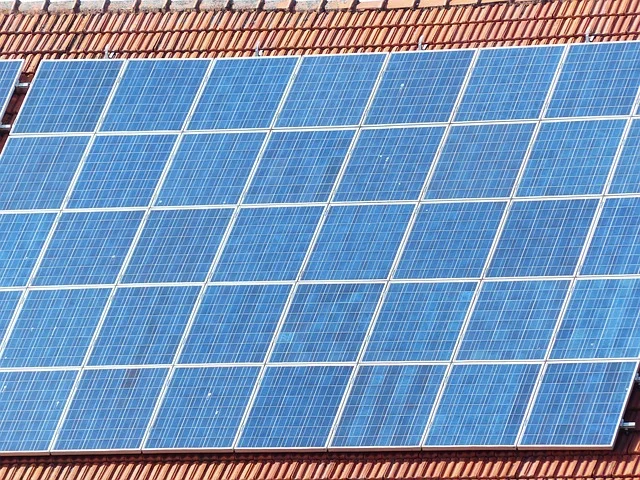
Who Benefits Most from Solar in Canada?
- High Electricity Prices: Solar is strongest where electricity is expensive. This includes Nova Scotia, Prince Edward Island, and parts of Ontario and Alberta. Every kWh you generate saves you more money.
- Access to Rebates: If a provincial or municipal rebate applies in your area, it significantly reduces the upfront cost. It also shortens the payback period.
- High Daytime or EV Loads: Homes with significant electricity consumption during the day can maximize their immediate self-consumption. This includes home offices, electric vehicle charging, and air conditioning. As a result, they reduce reliance on grid purchases.
- Environmental Goals: For those prioritizing carbon footprint reduction and energy independence, solar offers significant non-financial benefits.
When Might Solar Be Less Attractive?
Solar is generally weakest in Quebec and Manitoba. This is because hydroelectricity keeps electricity prices very low there. While you still generate power, your financial savings per kWh are smaller. This leads to longer payback periods without substantial rebates. However, even in these provinces, long-term energy cost stability and environmental benefits can make it a worthwhile investment for some.
Ultimately, use the calculator with your city’s specific sun hours and your own electricity rate. This will give you the most accurate picture for your situation.
Designing for Canada’s Unique Climate: Snow and Cold
Canada’s climate presents specific challenges and opportunities for solar panel installations. Proper design and installation considerations are crucial for optimal performance and longevity.
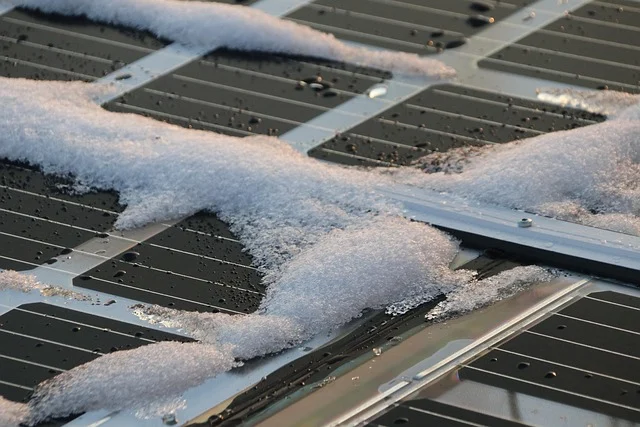
- Tilt: A steeper tilt helps snow slide off easily. A tilt of about 40 to 50 degrees prevents prolonged snow cover. It also boosts winter output. Many Canadian installers prefer this. They avoid the flatter angles often used further south. Those angles optimize for maximum annual production. However, they do not consider snow shedding.
- Snow Cover: A fully covered panel produces almost nothing. However, most snow usually slides off. This happens within a day or two of sunshine or a slight temperature increase. Clearing panels from the ground with a soft roof rake is a safe option. Do not climb onto an icy roof. This poses safety risks.
- Partial Snow: This is where modern inverter technology shines. Systems with microinverters or power optimizers (Module Level Power Electronics, MLPEs) allow individual panels to operate independently. This means uncovered panels can continue working at full output, even if adjacent panels are still covered by snow. A single string inverter, by contrast, can have its entire string’s output dragged down by just one covered panel.
- Cold Voltage: Solar panel voltage rises in colder temperatures. For example, on a −30 °C morning, a string of panels can exceed the inverter’s maximum voltage rating. This occurs if you design the system only for mild weather conditions. Consequently, this can damage the inverter. Experienced Canadian installers carefully design string configurations. They ensure the cold-weather voltage stays within the inverter’s safe operating limits.
- Ground Mounts: A ground-mounted array is an excellent option. Use it for rural properties or unsuitable roofs. For example, some roofs have too much shade or poor orientation. Others have insufficient space. You can set a ground mount at the ideal tilt and orientation. It is also much easier to access and clear after snowfalls. This maximizes winter production.
Understanding Net Metering in Canada
Net metering is the cornerstone of residential solar viability in Canada. It allows homeowners to effectively “store” excess summer generation for use in winter. Therefore, it’s crucial to understand how it works in your province.
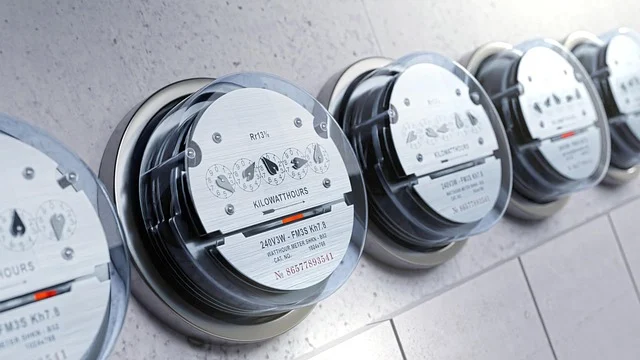
Most provinces credit exported electricity. They apply this credit against what you import from the grid. This usually happens through an annual billing cycle. Therefore, during long summer days, your panels produce more electricity than your home consumes. The surplus then goes to the grid. You receive a credit on your utility bill. These summer surplus credits carry forward. They cover part of your electricity consumption in shorter, darker winter months. This effectively turns the grid into a seasonal battery. As a result, you eliminate the immediate need for costly physical batteries just for energy savings.
However, the specifics vary:
- Credit Rate: Some provinces pay the full retail rate for exported electricity. This means each kWh exported is worth the same as a kWh imported. Others pay a reduced rate (net billing) or offer a different compensation structure.
- System Size Caps: Many utilities cap the system size at your estimated yearly consumption. This prevents homeowners from becoming net generators. It also stops them from profiting from the grid. This encourages systems that match consumption rather than oversized arrays.
- Rollover Rules: Understand if credits expire annually. Also, confirm if you can roll them over indefinitely. Most common is an annual true-up. Here, you receive payment for any remaining credits at a wholesale rate. Otherwise, they simply reset.
Always ask your utility for its current net metering rules and policies. Do this before choosing a system size and signing a contract. These regulations directly impact your financial returns.
From my experience: I installed a 7.5 kW solar system on my home in Southern Ontario in late 2025. On a clear, sunny day in October 2026, my inverter app showed it produced 35 kWh. On a heavily overcast day with light snow cover, it dropped to just 4 kWh. The formula for Toronto suggests around 21.8 kWh/day on average (7,971 kWh/year / 365 days). However, this clearly illustrates the strong seasonal variation. It also shows the impact of snow and clouds. Furthermore, it highlights how essential net metering is, as my summer overproduction easily offsets these lower winter days.
Frequently asked questions
How long does it take to install solar in Canada?
The physical installation on your roof typically takes one to three days. However, the entire process often takes several weeks to a few months. This includes permits, utility approval for net metering, and rebate paperwork. Therefore, it’s smart to start the process in winter or early spring. This ensures your system runs for the long, high-production summer days.
Do I need a battery in Canada?
Do not get a battery for financial savings if your province offers robust net metering. The grid effectively acts as your seasonal energy store. It credits summer surplus against winter use. A battery is primarily worth it for backup power during grid outages. Also, in rare cases, exported electricity earns very little compensation.
Do solar panels work in Canadian winters?
Yes, solar panels do work in Canadian winters. However, their output is significantly reduced. This is due to shorter daylight hours and lower sun angles. Also, snow can cover them for days. This stops production. Net metering is crucial here. It allows the summer surplus to offset winter electricity consumption.
Is the Canada Greener Homes Grant still available?
No. The Canada Greener Homes Grant closed to new applicants in 2024. Natural Resources Canada no longer approves new applications for the associated interest-free loan. Provincial and municipal programs are now the main sources of financial support for solar installations.
How much does a 7 kW solar system produce in Canada?
A 7 kW solar system in Canada produces approximately 7,000 kWh annually in cities like Vancouver. It produces up to about 9,400 kWh per year in sunnier locations such as Regina or Calgary. This depends on local peak sun hours and system efficiency.
Which province is best for solar?
The Prairie provinces (Alberta, Saskatchewan, Manitoba) have the most abundant sunshine. This leads to higher energy output. However, Nova Scotia and Prince Edward Island often offer the best financial returns. This is due to their high electricity prices. These prices make each generated kWh more valuable. They also have strong provincial rebate programs.
Related guides
- Solar Panels UK 2026: Cost, Output by City, SEG Export Rates and Payback
- Solar Panels Australia 2026: Output by City, Battery Rebate, Feed-in Tariffs and Payback
- Solar Panels in Germany (2026): Output, Feed-in Tariff, Balcony Solar and Payback
- Solar Panels in the USA (2026): Cost, Output by City and Incentives After the Tax Credit
Sources and further reading
- Natural Resources Canada: Canada Greener Homes Initiative: status of the federal grant, loan and affordability program.
- Natural Resources Canada: Photovoltaic Potential Maps: solar potential for Canadian municipalities.
- Global Solar Atlas (World Bank): sun data and solar potential for any location.